
creating a herbaceous perennial border
As spring approaches, we are starting to see many changes in our gardens. The first bulbs are beginning to flower, the buds on trees and shrubs are becoming more visible, sweetly scented blooms are dotting the branches of many shrubs and trees.
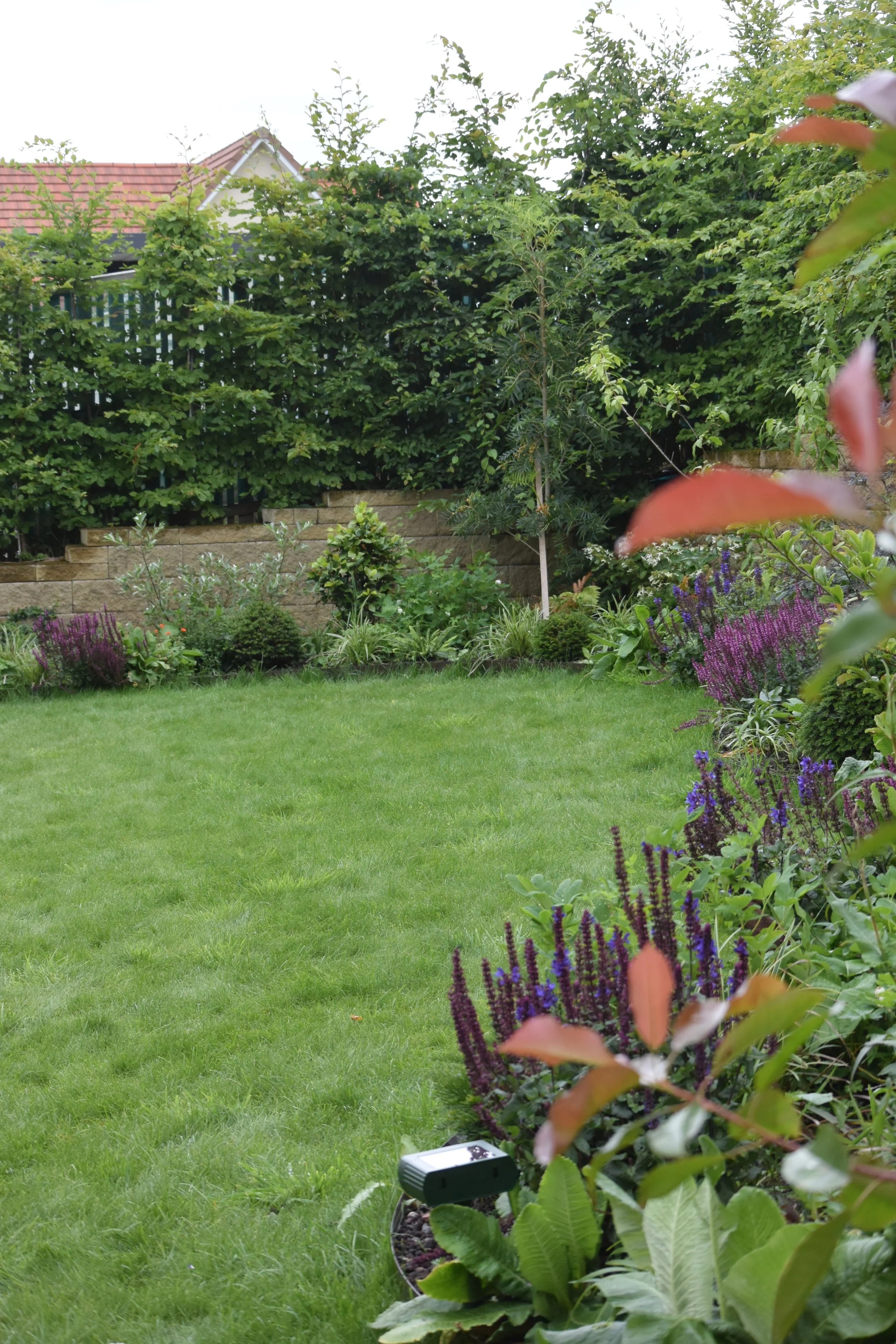
Spring is a good month to start think about introducing more plants into your garden and one way of doing this is to create a new herbaceous perennial garden border.
An herbaceous perennial border will add a welcoming boost of flowers & textures into your garden.
It not only will enhance the overall experience in your outdoor space, but it will make it a colourful and friendly oasis for different types of insects and wildlife. It will provide food and shelter for numerous species of insects across the year.
Creating a herbaceous perennial garden border doesn’t have to be very complicated.
First, you need to test your soil and check if the water drains easily.
Using a no dig technique, so called sheet mulching, is an easy and cost-effective way to create a garden border.
how to start
If you are creating a new garden border on an existing lawn, you should start by marking the shape and size of your border.
You could also buy an edging that will give your new garden border a bit sharper look.Next, you lay the cardboard within the marked shape on top of the lawn and cover it up with the soil (about 20cm high).
To finish off you could also add mulch. Mulch will give your new plants a better start and will also protect the soil from water loss, erosion, wind exposure.
Now it is time to add some perennial plants into your newly created garden border.
You could be very creative about your choice of plants in terms of the textures and colours, but the only thing you will have to remember when selecting plants for your garden border is to consider conditions of your site.
Take note of the sun exposure during the entire day and mark (on the bed) which areas are getting the most sunshine and which are in more shade, especially if your border is overshadowed by trees and shrubs.
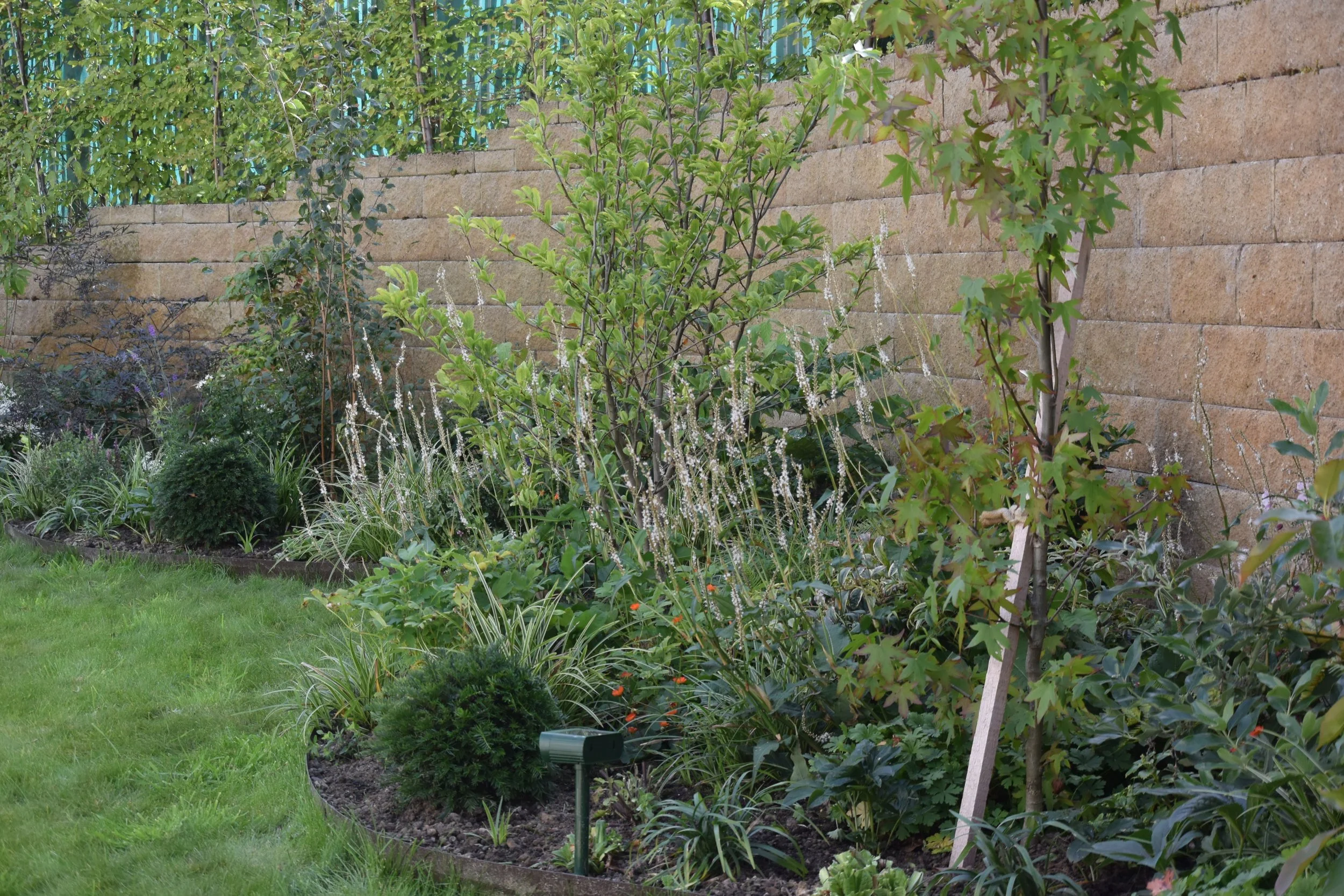
selecting the right plants
You make your plant selection after carefully considering the sun’s journey in your garden and by analysing information about the soil and the drainage.
The key thing to consider when selecting plants for an herbaceous perennial border is to select plants that will bring colour, structure or interesting textures across all of the different seasons.
You also want your herbaceous perennial border to have a selection of medium and taller plants, to achieve right visual effect, so it has perspective and doesn’t look flat and too short.
In between those medium and taller plants, you want to plant a selection of ground covering plants, which will additionally act as a green mulch and will mingle and spread in between other perennials. The ground cover that these plants provide significantly limits the ability for weeds to grow in the border and as a result the amount of weeding that is needed is massively reduced.
Remember, you are creating a community of plants, apart from considering the colours of the plants (which will impact the mood and feel in the garden), it is important to select plants that will grow together and won’t fight for space witch each other. It is helpful to learn the spread and height of your plants before you make your final choices. You don’t want one particular plant to spread over your border.
professional advice
To make sure you have the right selection of plants in your herbaceous perennial border it is also good to consult a planting design specialist.
Hastate Design offers such consultancy. You could learn more about our planting design service here.